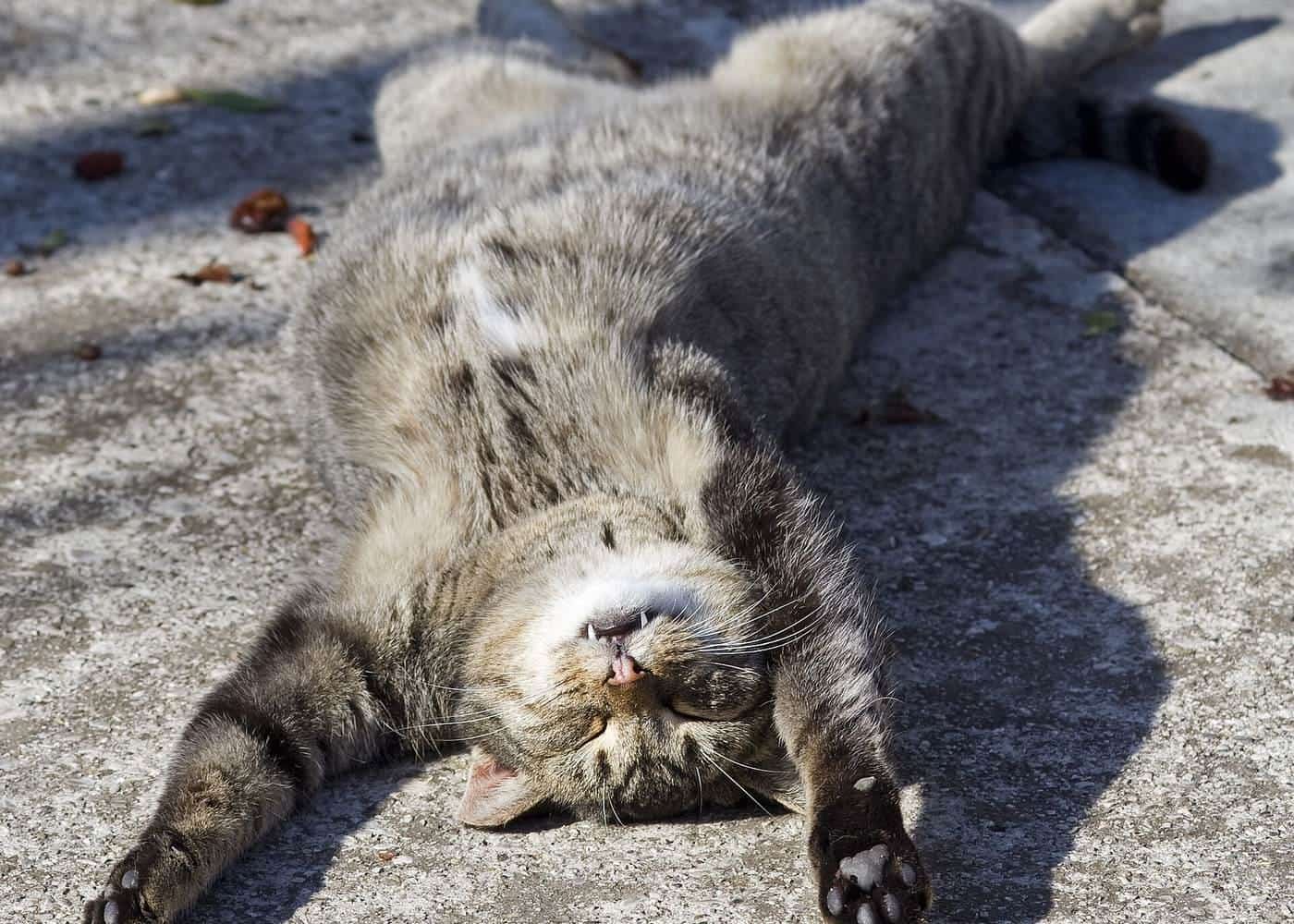
For many people, the afternoon slump is a familiar feeling: heavy eyelids, slower thinking and a craving for something sweet. A short nap can be wonderfully refreshing. But naps aren't right for everyone, and rest doesn't always mean sleep. Short breaks, time outdoors, a few slow breaths or simply stepping away from a screen can all help you recharge.
This guide explains when naps help, how to nap well and other ways to build rest into your day. It draws on guidance from healthdirect and Australia's 24-hour movement guidelines.
~20 min
Nap length
healthdirect suggestion
Early pm
Best timing
For most people
Break up
Long sitting
Movement guidelines
When naps help
A short nap can boost alertness and mood, especially if you've had a poor night's sleep, work irregular hours or have a long day ahead. Many people find a brief rest in the early afternoon, when energy naturally dips, particularly refreshing.
Naps can be especially useful for:
- shift workers, before a night shift;
- new parents, whose night sleep is broken;
- people who've had an unusually short night;
- long drives, when a rest stop with a short nap can improve safety.
When naps don't help
For some people, naps make night-time sleep harder. Healthdirect's insomnia advice recommends avoiding daytime naps if you're having trouble sleeping at night, because napping can reduce your sleep drive by bedtime.
Long naps can also leave you groggy. If you wake from deep sleep, you may feel disoriented and sluggish for a while, sometimes called sleep inertia.
How to nap well
Healthdirect suggests that if you really need a nap, you limit it to about 20 minutes. Tips for a refreshing nap:
- Keep it short. Set an alarm for about 20 minutes.
- Time it right. Early afternoon is usually best. Avoid napping late in the day.
- Find a comfortable spot. A quiet, dim place helps. An eye mask or earplugs can block distractions.
- Allow time to wake up. Give yourself a few minutes to feel fully alert before driving or doing anything demanding.
- Don't stress if you don't sleep. Even resting quietly with your eyes closed can be restful.
Daytime sleepiness that won't go away
Feeling tired occasionally is normal. But if you're regularly very sleepy during the day, despite what seems like enough sleep, it could be a sign of:
- not getting enough sleep;
- poor quality sleep;
- a sleep disorder such as sleep apnoea;
- a health condition or medicine side effect.
See your doctor, especially if you snore loudly, stop breathing or gasp during sleep, or fall asleep unintentionally during the day. Never drive when drowsy; healthdirect notes that lack of sleep impairs reaction times and makes driving very dangerous.
Other ways to rest during the day
Take regular breaks
Working for hours without a break can leave you drained. Short, regular breaks help you stay focused and reduce stress. Step away from your desk, get a glass of water, stretch or look out of a window. Even a few minutes helps.
Break up sitting
Australia's 24-hour movement guidelines recommend limiting sedentary time and breaking up prolonged periods of sitting as often as possible. Standing up, walking to talk to a colleague or doing a few stretches every half hour or so can help your body and mind.
Micro-pauses
A micro-pause is a very short rest, sometimes just a few seconds. Between tasks, take three slow breaths, roll your shoulders or close your eyes briefly. These moments can stop tension building through the day.
Time outdoors
A short walk outside, especially in green space or near water, can be refreshing. Natural light also helps keep your body clock on track. See our relaxing outdoors guide.
Screen breaks
Looking at screens for long periods can be tiring. Look away from the screen regularly, focus on something in the distance and give your eyes a rest.
Quiet time
Sometimes rest simply means doing nothing: sitting with a cup of tea, listening to music or watching clouds. Healthdirect suggests making sure you have time to relax each day to help prevent tension building up.
Relaxation exercises
A few minutes of slow breathing or a short body scan can be as refreshing as a nap for some people, without affecting night-time sleep.
Restful weekends and days off
Days off are a chance to recharge, but they can easily fill up with errands, chores and social commitments. Try to protect some genuinely restful time:
- Keep wake times fairly consistent. A small lie-in is fine, but big shifts can unsettle your body clock.
- Schedule rest. Block out time with nothing planned.
- Mix activities. Combine social time with quiet time, and active pursuits with relaxing ones.
- Get outside. Parks, beaches, gardens and bushwalks offer a change of scene.
- Limit work. Where possible, avoid checking work emails.
Rest for carers and parents
Carers and parents of young children often have little time for rest. Small strategies can help: napping when your child naps (if it doesn't affect your night sleep), sharing night duties where possible, accepting offers of help and finding even five minutes a day for yourself. Carer support services and your doctor can help if you're exhausted.
Making a short rest work at work
Not everyone can nap at work, but most people can take a short break. If your workplace has a quiet room, use it for a few minutes of slow breathing or simply sitting with your eyes closed. If not, a walk around the block, a few stretches in a stairwell or eating lunch away from your desk can help. Taking your full lunch break, rather than working through it, gives your mind a genuine pause and can make the afternoon feel more manageable.
Rest for shift workers
Shift workers often need to sleep or nap at unusual times. Helpful strategies include a short nap before a night shift, keeping your bedroom very dark and quiet for daytime sleep, wearing sunglasses on the way home after a night shift to reduce morning light, protecting your sleep from phone calls and visitors, and keeping as regular a routine as your roster allows. Never drive home drowsy; rest first or use another way home. If shift work is seriously affecting your sleep or health, talk to your doctor.
Planning rest into your week
Rest is easier when it's planned. Look at your week ahead and block out a few short pockets for rest, such as a walk on Tuesday lunchtime, a quiet hour on Thursday evening and a slow Sunday morning. Treat these as appointments with yourself. If something has to move, reschedule rather than cancel.
Resting without guilt
Many people feel guilty about resting, as if it's lazy or unproductive. But rest is what allows you to keep going. Think of a short break, a nap or a quiet afternoon as maintenance, like charging your phone, rather than time wasted.
Key points
- Short naps of about 20 minutes, in the early afternoon, can be refreshing.
- Avoid naps if you have trouble sleeping at night.
- Persistent daytime sleepiness can signal a sleep problem; see your doctor.
- Regular breaks, breaking up sitting, time outdoors and quiet moments all help you rest.
- Protect some genuinely restful time on days off.
Frequently asked questions
How long should a nap be?
Healthdirect suggests that if you really need a nap, you limit it to about 20 minutes.
Are naps bad for night-time sleep?
They can be for some people. Healthdirect's insomnia advice suggests avoiding daytime naps if you have trouble sleeping at night.
What's the best time to nap?
Many people find early afternoon works best. Napping late in the day is more likely to interfere with night-time sleep.
What if I'm always sleepy during the day?
Frequent daytime sleepiness can be a sign of not enough sleep or a sleep disorder. See your doctor, especially if you snore loudly or doze off unintentionally.
What are other ways to rest besides napping?
Short breaks away from screens, a few minutes of slow breathing, a walk outside, stretching or simply sitting quietly with a cup of tea.
Sources and further reading
Facts on this page were checked against these primary and official sources. Conditions change — confirm before you travel or buy.
- Sleep — healthdirect
- Insomnia — healthdirect
- Recommendations for adults (18 to 64 years) — Department of Health, Disability and Ageing
- Stress — healthdirect