Think about the last time you felt truly relaxed. For many people, it involves being outside: a walk along the beach, a picnic in the park, sitting in the garden with a cup of tea or watching the sun go down. Australia is full of places to unwind outdoors, from city parks and botanic gardens to beaches, rivers, bushland and national parks.
This guide offers ideas for relaxing outside, ways to make the most of your time in nature and practical safety tips for the Australian climate. You don't need special gear or a long holiday; small, regular moments outside can make a difference to how you feel.
10–20 min
Even a short visit
Can be refreshing
UV 3+
Sun protection
Cancer Council advice
Flags
Swim between
At patrolled beaches
Why time outside can help
Many people find that being outdoors helps them feel calmer and more refreshed. Time outside often involves a change of scene, fresh air, natural light, gentle movement and a break from screens, all of which can help you unwind. Healthdirect notes that daily exercise, even something as simple as going for a walk, can help reduce stress, and that making time to relax each day helps prevent tension building up.
Natural light also helps set your body clock, especially in the morning, which can support better sleep.
Simple ways to relax outdoors
Walk
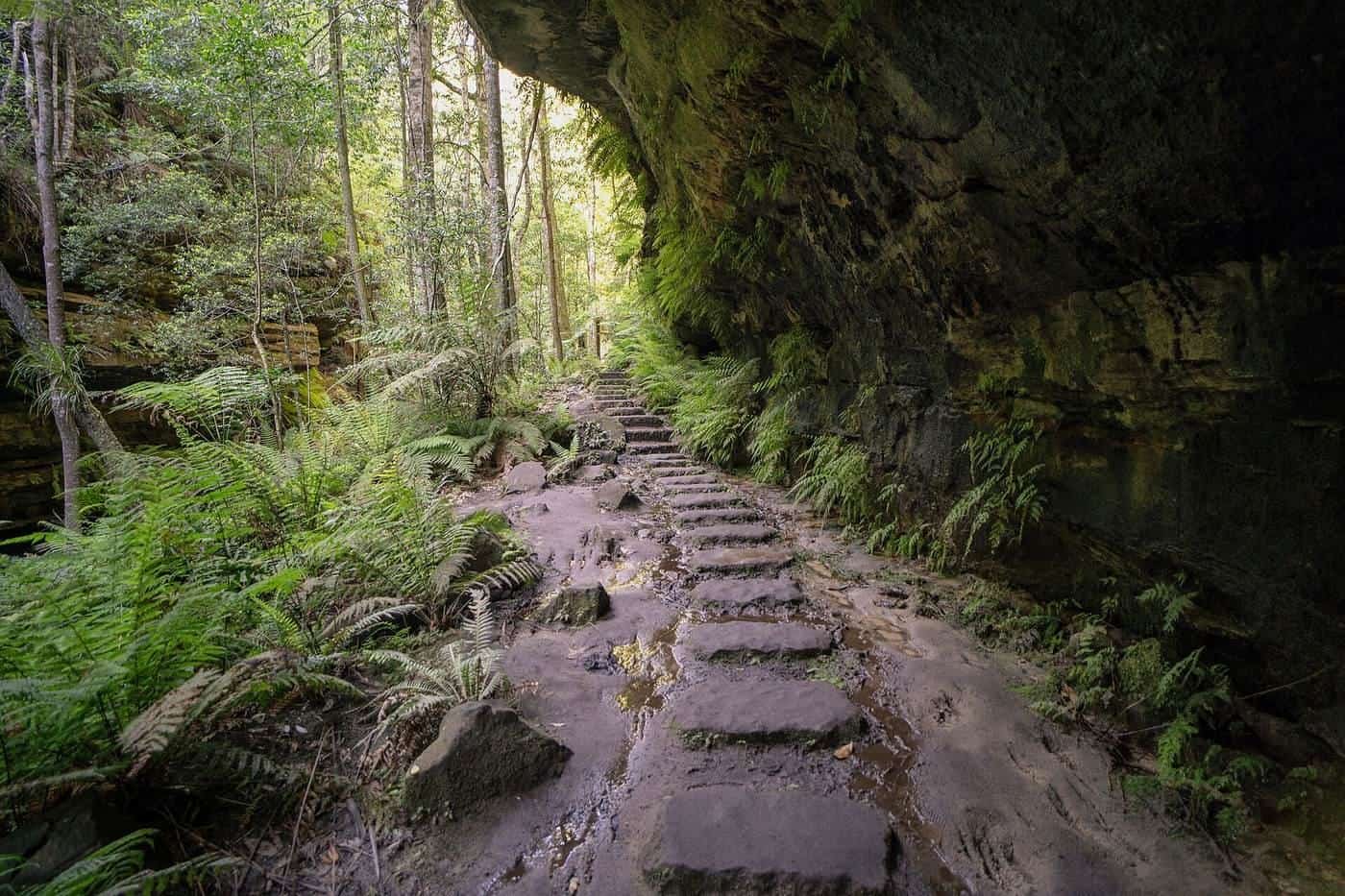
A walk is one of the simplest ways to get outside. Try a different route, explore a local park or walking track, or walk along a beach or river. Leave headphones at home sometimes so you can listen to birds, wind and water. Walking also counts towards Australia's physical activity guidelines. See our gentle movement guide.
Sit somewhere green
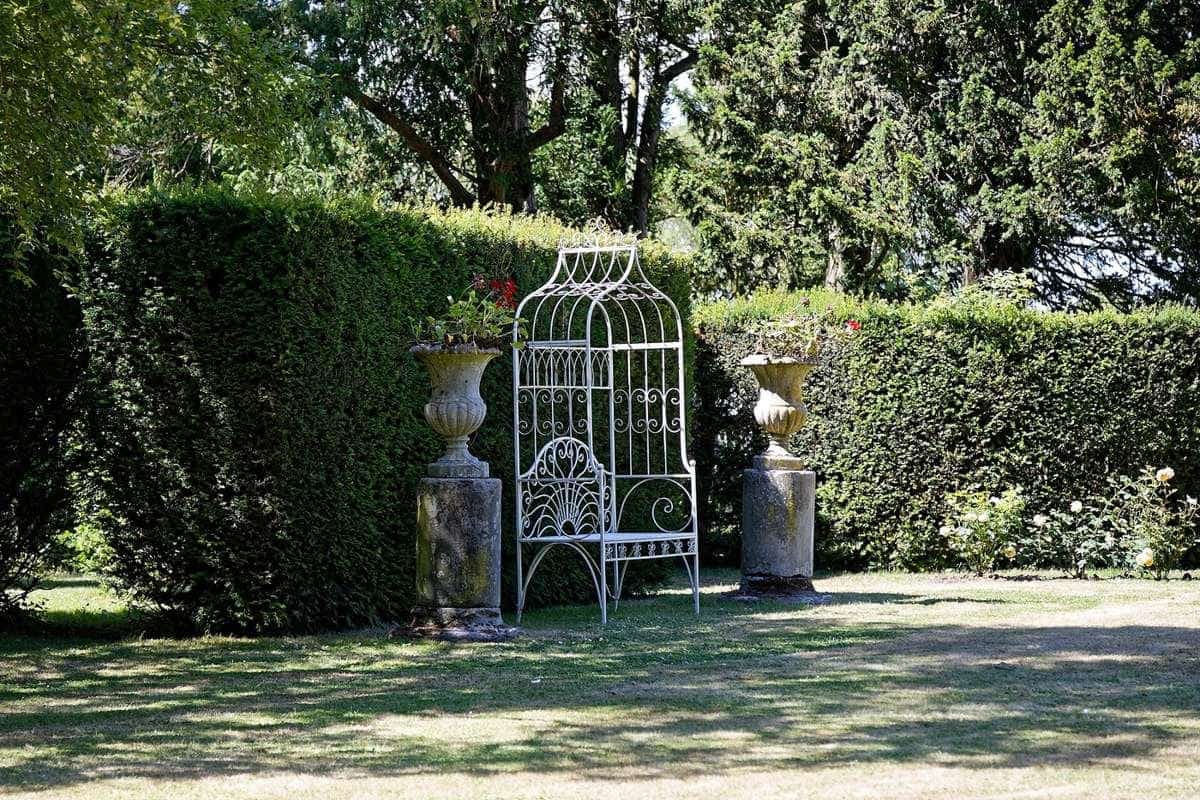
Find a bench in a park, a spot under a tree or a quiet corner of a botanic garden. Bring a book or simply watch the world go by.
Go to the water
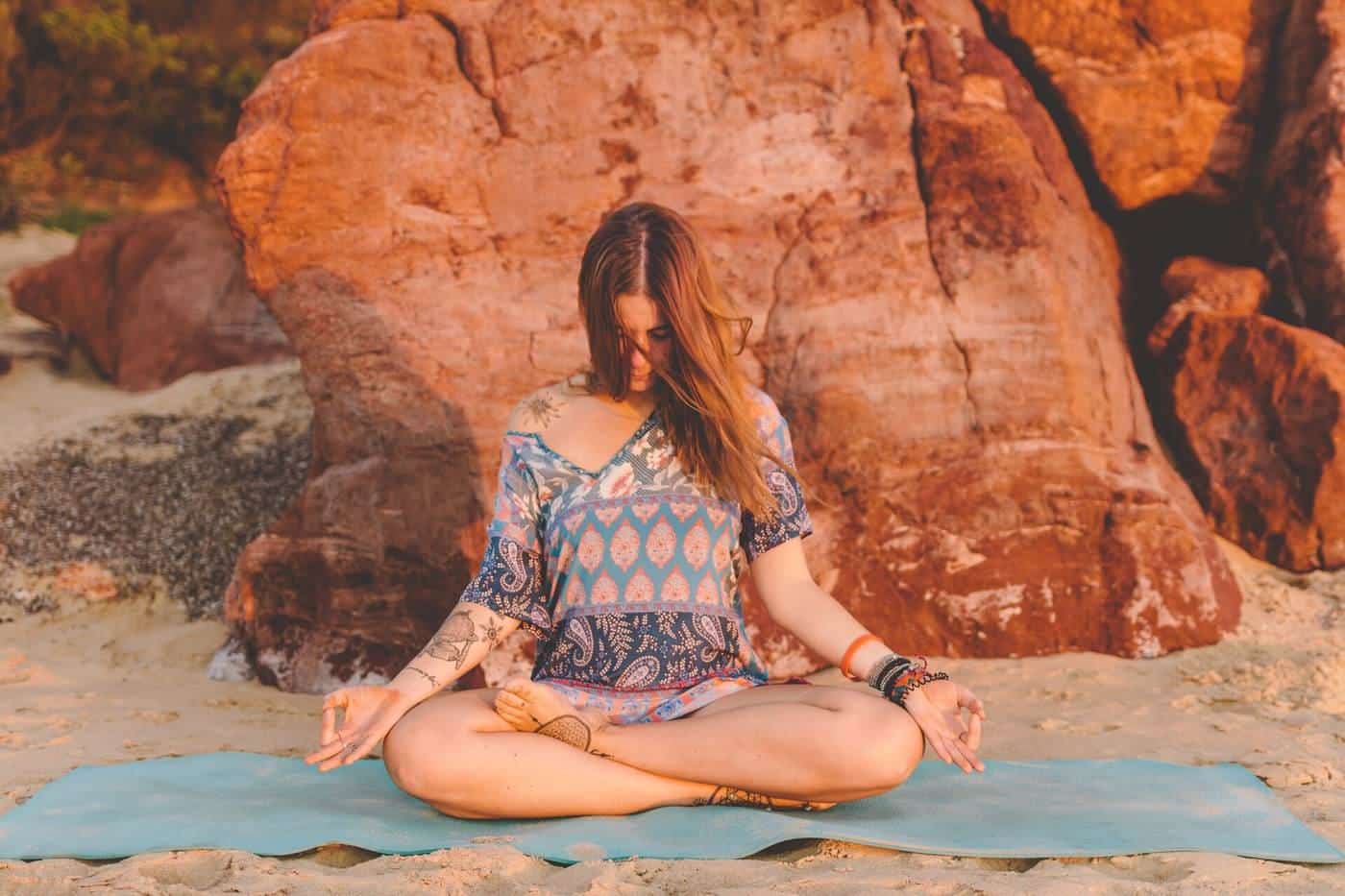
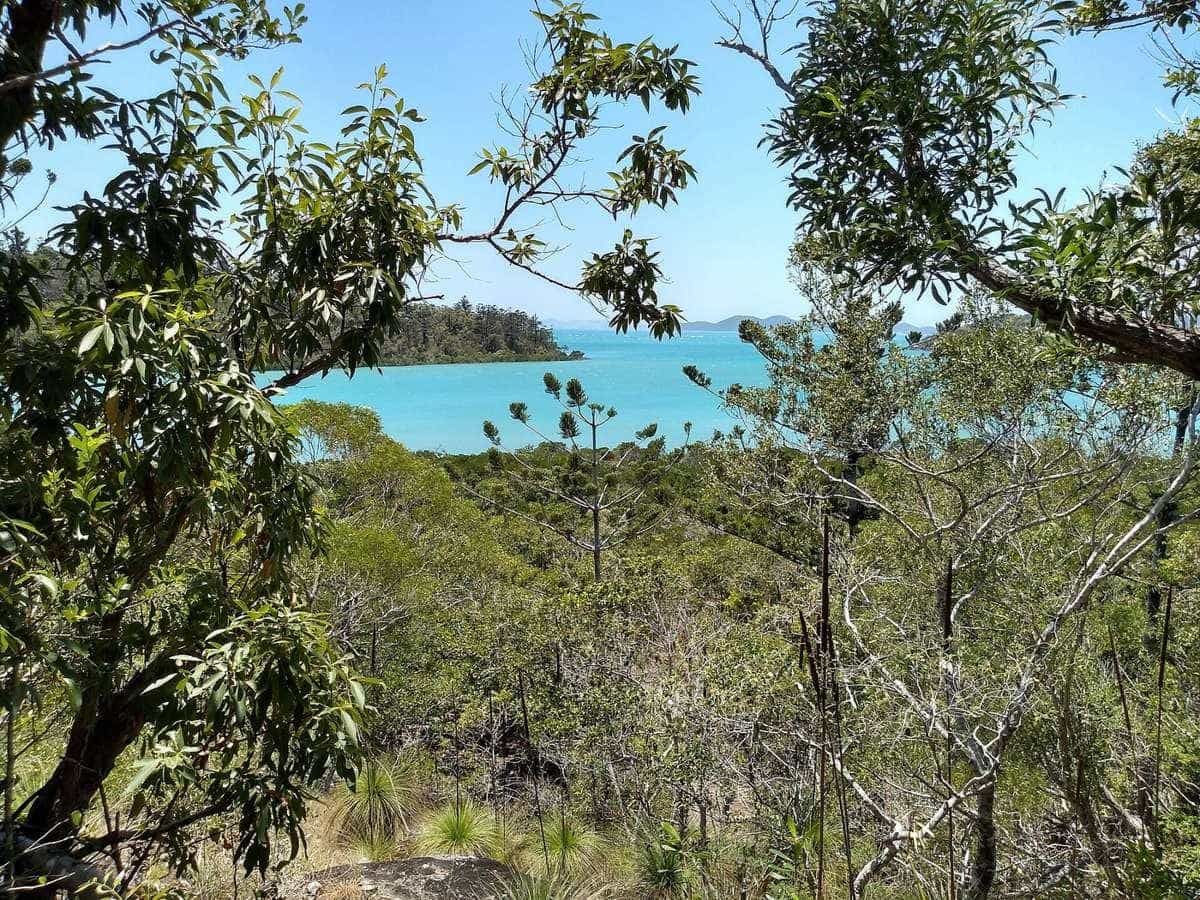
Beaches, lakes, rivers and harbours can be particularly soothing. Watch the waves, paddle at the water's edge or sit and listen.
Garden
Gardening combines time outside, gentle movement and a sense of achievement. Even a few pots on a balcony or windowsill can be rewarding. Community gardens are another option if you don't have space at home.
Picnic
Pack a simple lunch and eat outside, alone or with friends and family. Eating slowly in a pleasant setting can be a small, restorative ritual.
Watch the sky
Sunrises and sunsets, clouds drifting by and stars on a clear night all invite you to slow down and pay attention.
Explore national parks and reserves
Australia's national parks and reserves offer walks for all abilities, from short accessible paths to longer bushwalks. Check the relevant state or territory parks website for track conditions, closures and safety information before you go.
Making outdoor time more restorative
- Slow down. Walk more slowly than usual and notice details: textures, colours, smells and sounds.
- Put your phone away. Switch it to silent or leave it in your bag (but keep it for safety).
- Use your senses. Try the five-senses exercise from our mindfulness guide: five things you see, four you feel, three you hear, two you smell, one you taste.
- Breathe. Take a few slow, deep breaths of fresh air.
- Make it regular. A short daily walk often helps more than an occasional long outing.
Outdoors in the city
You don't need wilderness to benefit from time outside. City options include:
- local parks and playgrounds;
- botanic gardens;
- tree-lined streets and laneways;
- waterfront paths and foreshores;
- rooftop gardens and courtyards;
- outdoor cafés.
Even on a busy workday, a lunchtime walk around the block or eating outside can provide a welcome break.
Staying safe outdoors
Sun safety
Australia has high levels of ultraviolet (UV) radiation. Cancer Council recommends protecting your skin when the UV index is 3 or above by:
- wearing protective clothing;
- applying broad-spectrum, water-resistant sunscreen of SPF 30 or higher (SPF 50+ is widely recommended) and reapplying regularly;
- wearing a broad-brimmed hat;
- seeking shade;
- wearing sunglasses.
Check the daily UV forecast, available through the Bureau of Meteorology and sun protection apps.
Heat
Avoid strenuous activity in the hottest part of the day, drink plenty of water and know the signs of heat-related illness. Plan walks for cooler mornings or evenings in summer.
Water safety
Swim at patrolled beaches between the red and yellow flags where possible, and follow lifesavers' advice. Be aware of rips, tides, currents and conditions. Supervise children closely near water. Never swim alone in remote areas, and avoid swimming after drinking alcohol.
Bushwalking
- Tell someone where you're going and when you'll be back.
- Check weather, fire danger and track conditions.
- Carry water, snacks, sun protection, a first aid kit and a charged phone.
- Stay on marked tracks.
- Know your limits and turn back if conditions change.
Wildlife
Observe wildlife from a distance and don't feed native animals. Be aware of snakes in warmer months, especially in long grass and bushland.
When getting outside is hard
Not everyone can easily get outdoors, due to mobility, health, caring responsibilities, weather or location. Small connections with nature can still help:
- Open a window for fresh air.
- Sit near natural light.
- Care for indoor plants.
- Watch birds from a window.
- Listen to recordings of nature sounds.
Making it social
Time outdoors with others can boost both relaxation and connection. Join a walking group, meet a friend for a walk instead of a coffee, or plan a family picnic. Many councils and community groups run free outdoor activities.
Outdoor ideas for every season
Australia's climate varies widely, but there are ways to enjoy the outdoors all year. In summer, head out early in the morning or in the evening, seek shady parks and water, and protect yourself from the sun. In autumn, enjoy mild days, changing leaves in cooler regions and clear evenings. In winter, rug up for crisp walks, find sunny spots to sit in and enjoy shorter days with a sunrise or sunset walk. In spring, visit gardens in bloom and enjoy longer evenings. Whatever the season, check the weather and dress for conditions.
Accessible outdoor options
Many parks, gardens and foreshores have accessible paths, accessible toilets and seating. State and territory parks websites often list accessible walks and facilities. If you use a wheelchair or have limited mobility, look for flat, sealed paths, boardwalks and lookouts close to car parks.
Leave no trace
When you enjoy parks, beaches and bushland, help keep them beautiful for others. Take your rubbish home, stay on paths, keep dogs on leads where required, respect wildlife and follow any local rules, such as fire restrictions or closures. Caring for places you love is part of what makes time outdoors restorative.
Key points
- Many people find time outdoors calming and refreshing.
- Walks, parks, beaches, gardens and picnics are simple ways to relax outside.
- Slow down, put your phone away and use your senses.
- Protect yourself from the sun when UV is 3 or above, and swim between the flags.
- If getting outside is hard, bring nature in with light, plants and fresh air.
Frequently asked questions
Do I need to go somewhere special to relax outdoors?
No. A local park, a garden, a quiet street with trees or even a balcony can be enough. What matters is giving yourself time to slow down and notice your surroundings.
How long should I spend outside?
Any amount can help. Even 10 to 20 minutes can be refreshing. Combine it with a walk to also count towards your daily activity.
How do I stay sun-safe?
Cancer Council recommends sun protection when the UV index is 3 or above, including clothing, sunscreen, a hat, shade and sunglasses. Check the daily UV forecast.
Is it safe to swim at any beach?
Swim at patrolled beaches between the red and yellow flags where possible, and follow lifesavers' advice.
What if I can't get outside easily?
Open a window, sit near natural light, tend indoor plants or look at a view. These small connections with nature can still be calming.
Sources and further reading
Facts on this page were checked against these primary and official sources. Conditions change — confirm before you travel or buy.
- Stress — healthdirect
- Recommendations for adults (18 to 64 years) — Department of Health, Disability and Ageing
- Sleep — healthdirect
- Cancer Council — Cancer Council Australia