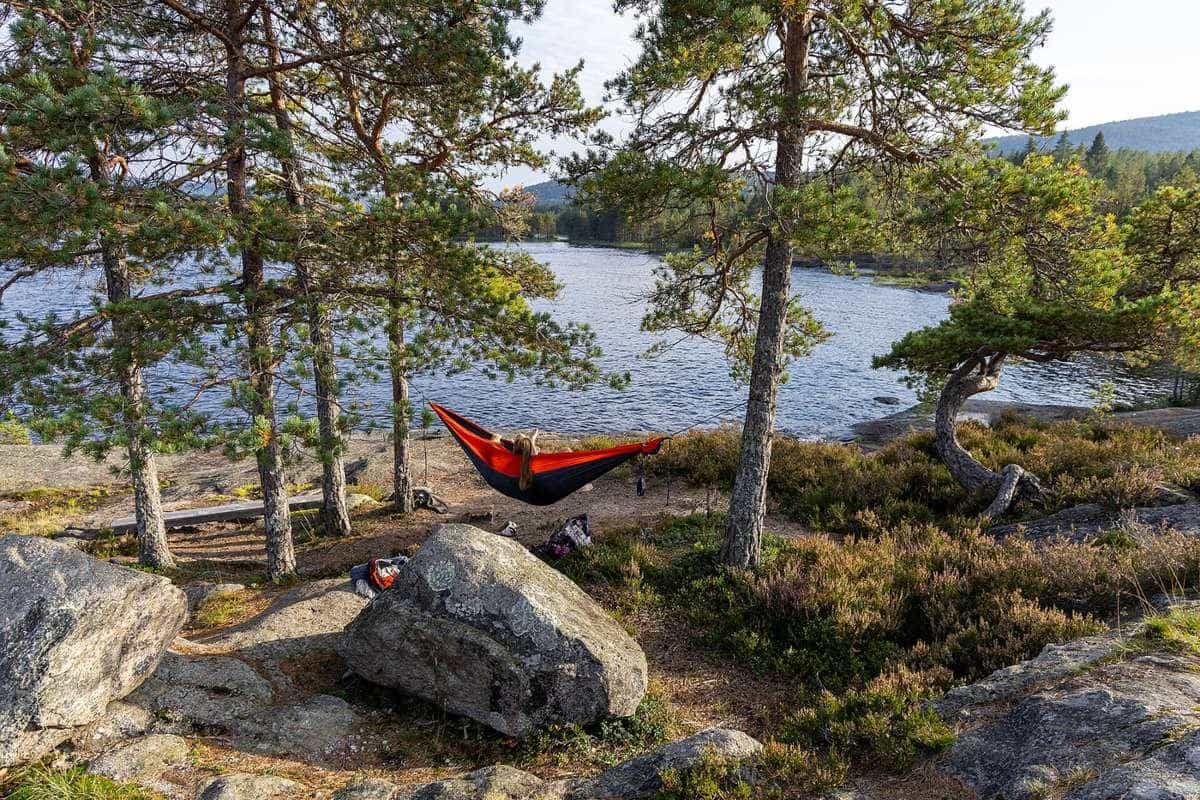
Modern life often feels like a race. Notifications ping, calendars fill up and even leisure time can become another list of things to do. Slow living is a simple idea in response: doing fewer things with more attention, leaving space for rest, and noticing the small, ordinary pleasures that are easy to miss when we're rushing.
You don't need to move to the country or throw away your phone. Small changes, such as a walk without headphones, a screen-free evening, a tidy corner to read in or a morning coffee outside, can make a real difference to how calm you feel. This section offers practical ideas for building more ease into everyday life.
Guides in this section
- Relaxing outdoors: walks, parks, beaches and gardens, and how to make time outside more restorative.
- Gentle movement for relaxation: walking, stretching, yoga and tai chi, and how movement fits Australia's activity guidelines.
- Digital downtime: healthier screen habits, managing notifications and switching off in the evening.
- Creating calm at home: decluttering, light, sound, hobbies and rituals that help you unwind.
Why slowing down helps
When we're constantly busy, it's hard for the body's stress response to settle. Making time to slow down gives your mind and body a chance to recover. Healthdirect notes that making sure you have time to relax each day helps prevent a build-up of tension in your body and mind. It also suggests that daily exercise, even something as simple as a walk, can help prevent you from feeling overly stressed.
Slowing down also helps us notice what matters. When we're not rushing, we have more attention for the people we're with, the food we're eating and the places we're in.
Movement as relaxation
Physical activity is one of the most reliable ways to ease stress and improve mood. Australia's 24-hour movement guidelines recommend that adults aged 18 to 64 be active most days, including moderate to vigorous physical activity for 30 minutes or more on most days, muscle-strengthening activities on 2 or more days a week, activities targeting mobility, balance and coordination on 3 or more days a week, and several hours of light activity daily. They also recommend limiting sedentary time and breaking up long periods of sitting.
Gentle activities, such as walking, stretching, yoga and tai chi, can be particularly relaxing. Our gentle movement guide explains how to get started.
Time outdoors
Many people find being outside calming: a walk in the park, a swim at the beach, an hour in the garden or a picnic under a tree. Australia's parks, beaches, bushland and gardens offer endless options. Our relaxing outdoors guide has ideas for making the most of time outside, safely.
Screens and switching off
Smartphones and computers bring many benefits, but constant connection can make it hard to switch off. Healthdirect's insomnia guidance recommends avoiding screens in the bedroom and not using screens for an hour before bed. Setting boundaries during the day, too, can help you feel calmer. Our digital downtime guide offers practical strategies.
Your home as a calm space
Your surroundings affect how you feel. A cluttered, noisy or harshly lit space can make it harder to relax. Small changes, such as clearing a surface, adding a lamp, opening a window or creating a reading nook, can help. Our creating calm at home guide has ideas for any budget.
Making it last
The secret to slow living isn't a big transformation; it's small habits you can keep. Choose one or two ideas that appeal to you and try them for a couple of weeks. Notice how you feel. Keep what works and let go of what doesn't. Be kind to yourself on busy days: slowing down is something to come back to, not a test you can fail.
A week of small changes
If you're not sure where to begin, try one small change each day for a week. Monday: a ten-minute walk at lunchtime. Tuesday: phone away during dinner. Wednesday: clear one surface at home. Thursday: eat breakfast outside or by a window. Friday: an evening with no screens for the last hour. Saturday: a visit to a park, beach or garden. Sunday: a slow morning with nothing planned. At the end of the week, notice which changes felt good and keep those.
Slowing down with others
Slow living doesn't have to be solitary. Shared meals without phones, walks with a friend, gardening with family or a regular catch-up with a neighbour combine rest with connection. Healthdirect suggests that taking part in activities such as a team sport or a walk can improve mental health, and many people find that time with others is one of the most restorative things they do.
Key points
- Slow living means doing fewer things with more attention and making time for rest.
- Daily movement, even a walk, can help reduce stress.
- Time outdoors, screen boundaries and a calm home all support relaxation.
- Small, sustainable habits work better than dramatic changes.
- Be kind to yourself; slowing down is a practice, not a performance.
Guides in this section
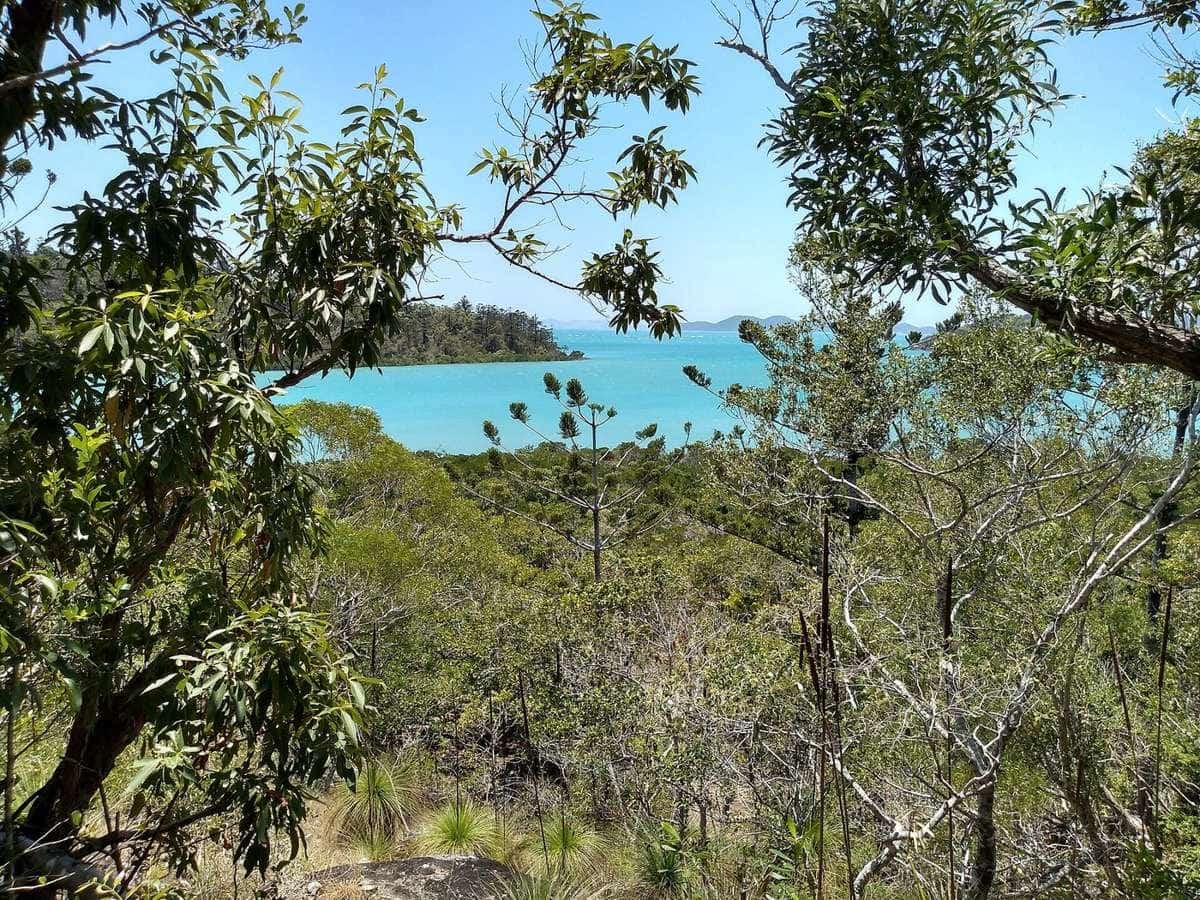
Slow living
Relaxing outdoors
Simple ways to unwind outside in Australia: walks, parks, beaches and gardens, mindful time in nature, and staying sun and water safe.
Read · 5 min
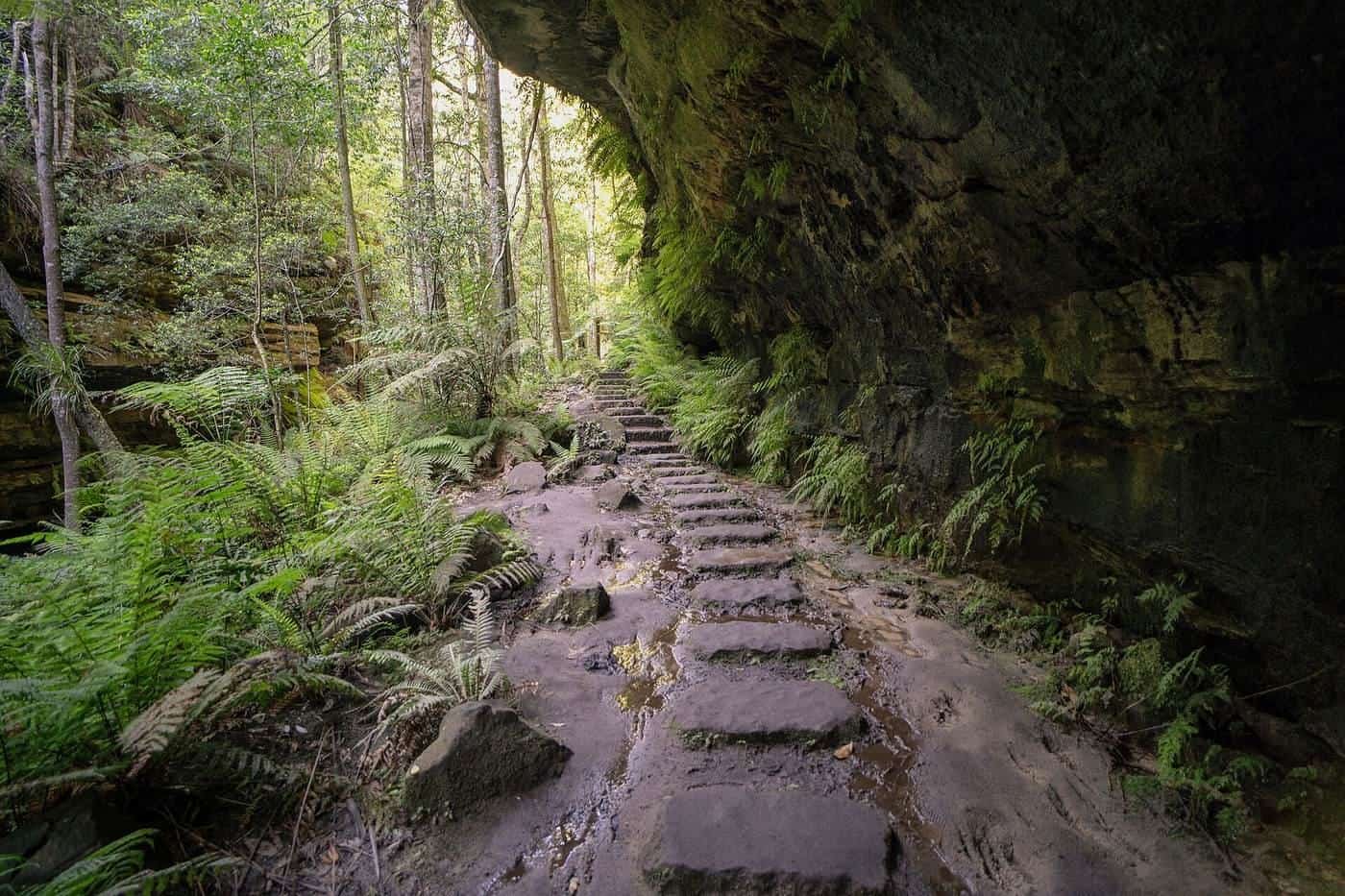
Slow living
Gentle movement for relaxation
How movement eases stress, what Australia's activity guidelines recommend, and gentle options like walking, stretching and yoga.
Read · 5 min

Slow living
Digital downtime
Practical ways to switch off from screens: taming notifications, screen-free times, evening habits for sleep and reconnecting offline.
Read · 5 min

Slow living
Creating calm at home
Simple, low-cost ways to make home more relaxing: decluttering, light, sound, comfort, plants, a calm corner, hobbies and rituals.
Read · 6 min
Frequently asked questions
What is slow living?
A general approach to life that favours doing fewer things with more attention, making time for rest and connection, and noticing everyday moments, rather than rushing from one task to the next.
Does exercise help with stress?
Healthdirect notes that daily exercise has many benefits for physical and mental health and can reduce stress. Even a walk can help.
How much physical activity should adults do?
Australia's 24-hour movement guidelines recommend adults aged 18 to 64 be active most days, including moderate to vigorous activity for 30 minutes or more on most days, plus muscle-strengthening and mobility activities.
Do I need to quit social media to relax?
Not necessarily. Many people find that setting boundaries, such as screen-free times or turning off notifications, helps them feel calmer without giving up the benefits of staying connected.
Sources and further reading
Facts on this page were checked against these primary and official sources. Conditions change — confirm before you travel or buy.
- 24-hour movement guidelines for all Australians — Department of Health, Disability and Ageing
- Recommendations for adults (18 to 64 years) — Department of Health, Disability and Ageing
- Stress — healthdirect
- Insomnia — healthdirect