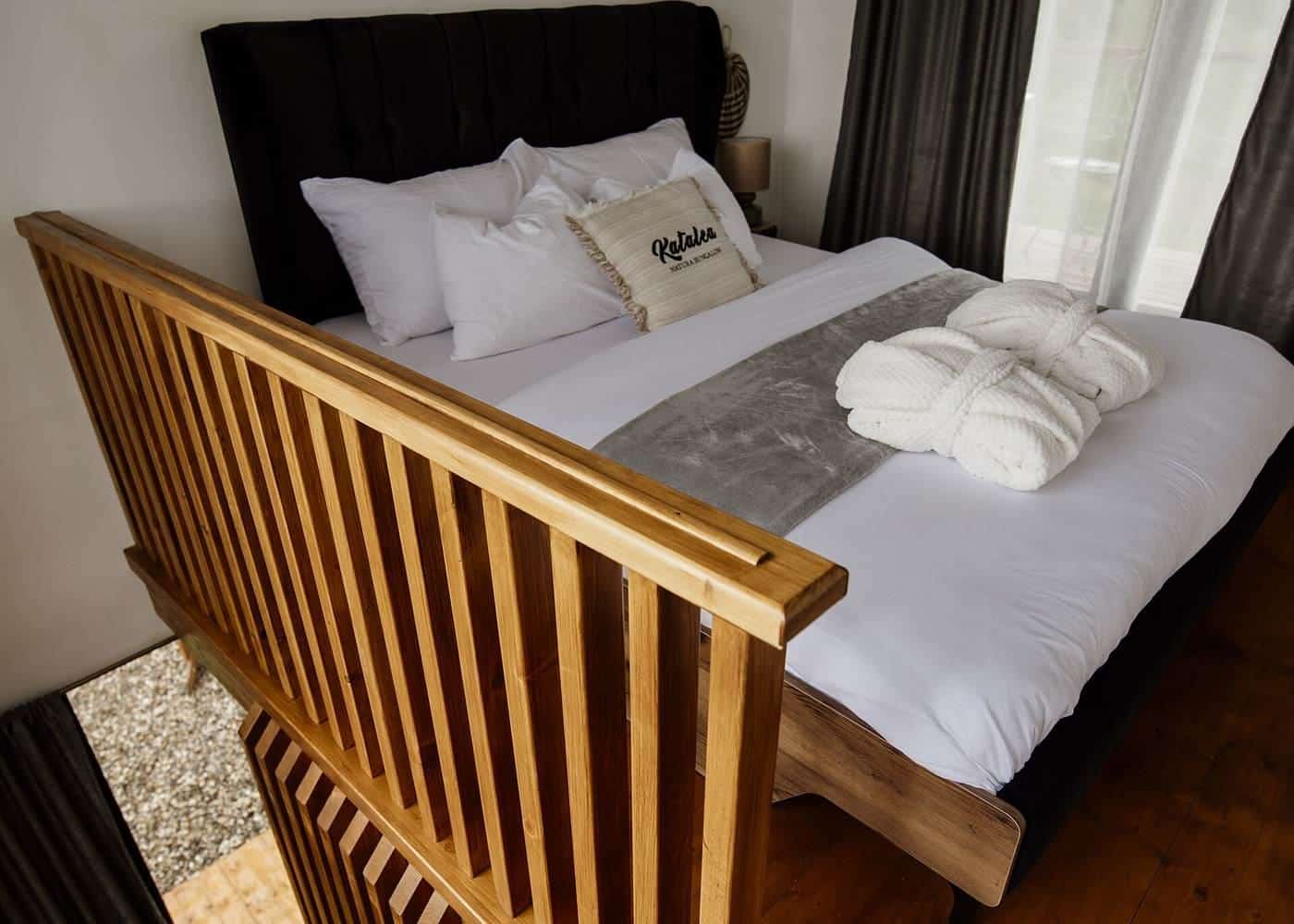
We spend roughly a third of our lives asleep, yet many of us know surprisingly little about what happens during those hours, or how much sleep we really need. Healthdirect describes sleep as an essential function for all humans and animals, just like air, water and food, and important for physical and emotional health and wellbeing.
This guide covers the basics: how sleep works, how much adults need, why it matters and signs that you might not be getting enough. It's general information only; if you have ongoing sleep problems, talk to your doctor.
7–9 hours
Most adults
healthdirect, Sleep Health Foundation
~90 min
Sleep cycle
REM and NREM
Consistent
Bed and wake times
Movement guidelines
How sleep works
Sleep isn't a single, uniform state. Healthdirect explains that sleep consists of cycles lasting about 90 minutes, divided into two main types: rapid eye movement (REM) sleep and non-rapid eye movement (NREM) sleep. Over a night, you move through several of these cycles.
NREM sleep
NREM sleep includes lighter and deeper stages. In light sleep, you can be woken easily. Deeper NREM sleep is harder to wake from and is thought to be important for physical recovery. Healthdirect notes that adults usually spend about 80% of the night in NREM sleep.
REM sleep
REM sleep is when most vivid dreaming happens. Your brain is active, but most of your muscles are temporarily relaxed. Adults usually spend about 20% of the night in REM sleep, according to healthdirect, while babies spend at least half their sleep in REM.
Your body clock
Your sleep is also shaped by your circadian rhythm, often called your body clock, which runs on a roughly 24-hour cycle. Light is one of the most important signals for your body clock. Bright light in the morning helps you feel alert, and darkness in the evening helps prepare you for sleep. Keeping regular sleep and wake times helps your body clock stay in sync.
How much sleep do you need?
Healthdirect says the amount of sleep you need varies with age, lifestyle, genetics and individual factors, and that most adults need about 7 to 9 hours of sleep each night to feel refreshed and function at their best the next day. The Sleep Health Foundation gives the same range, noting that some people are genuine short sleepers while others need more than average.
Australia's 24-hour movement guidelines recommend 7 to 9 hours of good quality sleep for adults, and 7 to 8 hours for older adults, with consistent bed and wake-up times.
Children and teenagers
Children and teenagers need more sleep than adults, according to healthdirect, and sleep needs stabilise at around 20 years old. The Sleep Health Foundation notes that teenagers tend to want to go to bed later and sleep in.
Older adults
Older people often spend more time in bed but sleep more lightly and for shorter spans, according to healthdirect. They usually need about the same amount of sleep as in their younger adult life.
Why sleep matters
Sleep supports almost every aspect of health and daily life. When you sleep well, you're likely to feel more alert, focused, patient and able to cope with stress. Healthdirect notes that sleep is important for both physical and emotional health and wellbeing.
When you don't get enough sleep, you might notice:
- tiredness and low energy during the day;
- difficulty concentrating or remembering things;
- irritability or low mood;
- slower reaction times;
- finding stress harder to manage.
Healthdirect warns that lack of sleep increases health risks over the long term and impairs reaction times, which makes driving very dangerous.
Safety: drowsy driving
Never drive, operate machinery or do safety-critical work when you're drowsy. If you feel sleepy while driving, pull over somewhere safe and rest. Plan long trips with regular breaks, and avoid driving at times when you'd normally be asleep.
Signs you might not be getting enough sleep
- You need an alarm to wake up and often hit snooze.
- You feel tired during the day, even after what seems like a full night.
- You fall asleep quickly in quiet situations, such as reading or watching TV.
- You rely on caffeine to get through the day.
- You sleep much longer on days off.
- Others notice you're irritable or forgetful.
If several of these sound familiar, it may be worth looking at your sleep habits. See our better sleep habits guide.
Quality matters too
It's not just how long you sleep, but how well. Frequent waking, very light sleep or interrupted breathing can leave you tired even after many hours in bed. Factors that can affect sleep quality include noise, light, temperature, stress, alcohol, caffeine, some medicines and health conditions.
Common sleep problems
Occasional poor sleep is normal, especially during stressful times. But some sleep problems need attention:
- Insomnia: healthdirect describes insomnia as difficulty falling asleep, staying asleep or waking too early. It can affect energy, memory, mood and concentration. Treatments include improving sleep habits, relaxation techniques, cognitive behaviour therapy and sometimes medicines.
- Sleep apnoea: a condition where breathing repeatedly stops and starts during sleep. Signs can include loud snoring, gasping or choking during sleep, and daytime sleepiness.
- Restless legs: an urge to move the legs, often worse in the evening.
- Shift work sleep problems: difficulty sleeping because of working irregular hours.
If you suspect a sleep disorder, see your doctor. Many sleep problems are treatable.
Myths about sleep
"I can train myself to need less sleep." Most adults need 7 to 9 hours. You may get used to feeling tired, but that doesn't mean your body needs less.
"Alcohol helps me sleep." Healthdirect notes that alcohol might initially make you feel sleepy but can disrupt sleep later in the night.
"Lying in bed awake is still resting." Spending long periods awake in bed can make insomnia worse. Healthdirect suggests getting up and doing something quiet until you feel tired.
"Weekend lie-ins fix everything." Big swings in sleep times can unsettle your body clock. Consistency is helpful.
Keeping a sleep diary
For a week or two, note when you go to bed, roughly when you fall asleep, any waking, when you get up and how you feel during the day. Patterns often become clear, and a diary is useful to bring to your doctor.
Sleep and mood
Sleep and mood are closely linked. Poor sleep can make you feel irritable, anxious or low, and stress or low mood can make sleep harder. If you notice both your sleep and your mood slipping for more than a couple of weeks, talk to your doctor; addressing one often helps the other.
Key points
- Sleep is essential for physical and emotional health.
- Sleep runs in cycles of about 90 minutes, mixing REM and NREM sleep.
- Most adults need about 7 to 9 hours a night; older adults about 7 to 8.
- Lack of sleep impairs concentration, mood and reaction times; never drive drowsy.
- See your doctor about ongoing sleep problems, loud snoring or pauses in breathing.
Frequently asked questions
How much sleep do adults need?
Most adults need about 7 to 9 hours a night to feel refreshed and function at their best, according to healthdirect and the Sleep Health Foundation.
Do older people need less sleep?
Healthdirect and the Sleep Health Foundation say older people spend more time in bed and sleep more lightly, but usually need about the same amount of sleep as in younger adult life. Australia's movement guidelines suggest 7 to 8 hours for older adults.
What are sleep cycles?
Healthdirect explains that sleep consists of cycles lasting about 90 minutes, made up of rapid eye movement (REM) and non-rapid eye movement (NREM) sleep.
Is it dangerous to drive when tired?
Yes. Healthdirect notes that lack of sleep impairs reaction times, which makes driving very dangerous.
Can I catch up on sleep at weekends?
Sleeping in occasionally can help you recover, but big differences between weekday and weekend sleep times can disrupt your body clock. Consistent bed and wake times are recommended.
Sources and further reading
Facts on this page were checked against these primary and official sources. Conditions change — confirm before you travel or buy.
- Sleep — healthdirect
- How much sleep do you really need? — Sleep Health Foundation
- 24-hour movement guidelines for all Australians — Department of Health, Disability and Ageing
- Insomnia — healthdirect