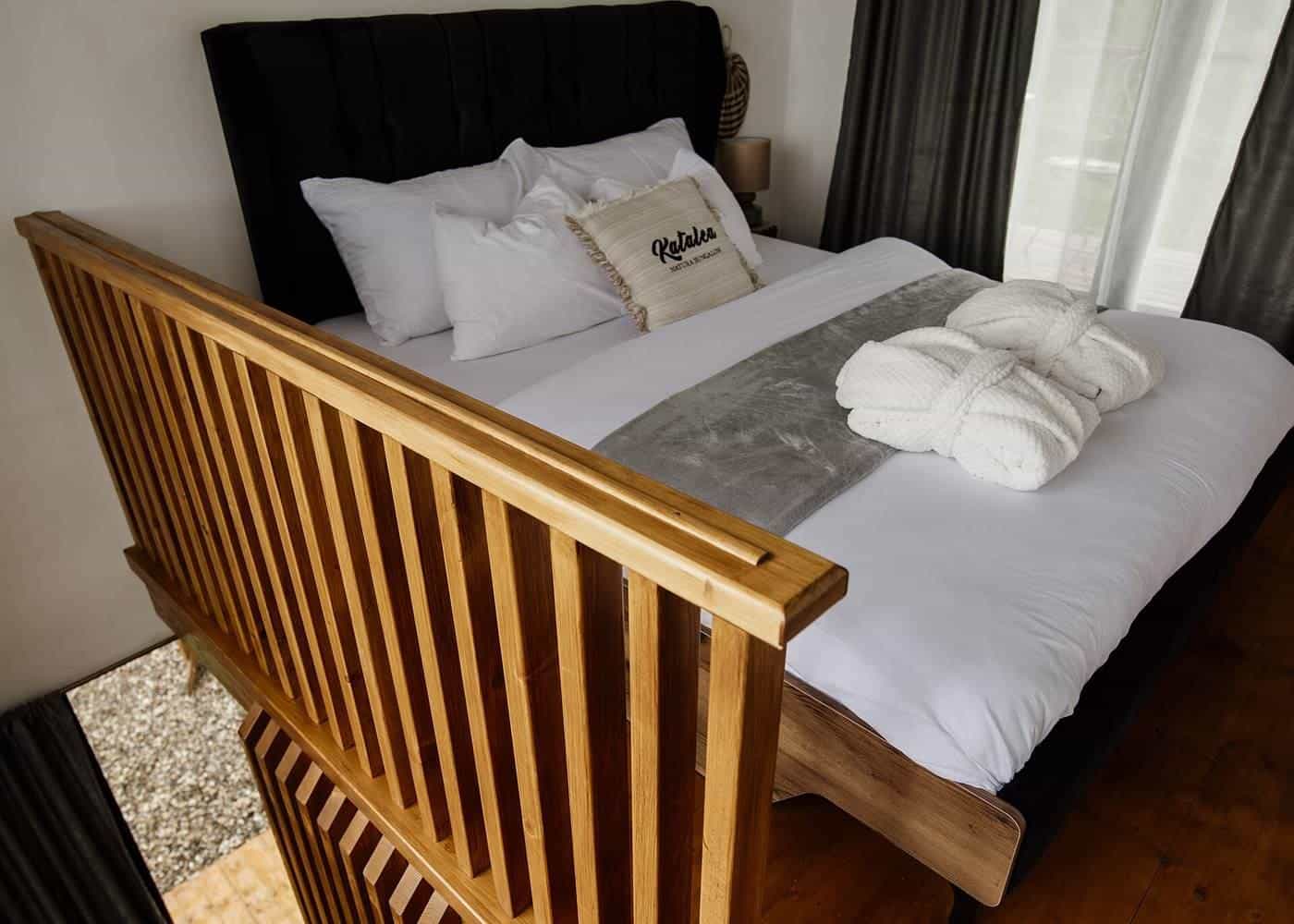
Good sleep can feel elusive. You're exhausted all day, then lie awake at night. Or you fall asleep easily but wake at 3 am with your mind racing. While you can't make yourself fall asleep, healthdirect explains that there are changes you can make to increase your chance of a good night's rest. These habits and environmental factors are often called sleep hygiene.
This guide brings together practical sleep hygiene advice from healthdirect and other Australian health sources. Try a few changes at a time and give them a couple of weeks to work. If sleep problems continue, talk to your doctor.
Same time
Bed and wake
Every day
1 hour
Screen-free
Before bed (healthdirect)
Mornings
Caffeine
Limit to mornings
Keep a regular schedule
Healthdirect recommends helping your body establish a healthy sleep routine by going to bed and waking up at around the same time each day. Its insomnia advice adds: even on weekends. Australia's 24-hour movement guidelines also emphasise consistent bed and wake-up times.
A regular wake time is especially powerful. Even if you've slept poorly, getting up at your usual time helps keep your body clock on track and makes it easier to sleep the next night.
Spend the right amount of time in bed
It might seem logical to spend longer in bed if you're not sleeping well, but this can backfire. Healthdirect suggests limiting time in bed to no more than about 8 hours, and its insomnia guidance suggests most people aim for 8½ hours or less, noting that staying in bed longer can lead to broken sleep.
Make your bedroom sleep-friendly
Healthdirect's insomnia advice recommends a bedroom that is quiet, dark and comfortable, not too hot or too cold. Practical steps:
- Darkness: use blockout curtains or blinds, or an eye mask. Cover or remove bright lights from devices.
- Quiet: use earplugs or a fan for steady background sound if noise is a problem.
- Temperature: keep the room comfortably cool. Adjust bedding for the season.
- Comfort: a supportive mattress and pillow make a difference.
- Clocks: healthdirect suggests considering removing clocks from your bedroom so you don't keep checking the time.
- Screens: avoid having screens in your bedroom.
Try to use your bed mainly for sleep, so your brain associates it with rest rather than work or scrolling.
Watch caffeine, alcohol and nicotine
- Caffeine: found in coffee, tea, cola, energy drinks and chocolate. Healthdirect's insomnia advice suggests limiting caffeine to mornings only.
- Alcohol: healthdirect notes alcohol might initially make you feel sleepy but can disrupt sleep later. Its insomnia advice suggests reducing or cutting out alcohol.
- Nicotine: a stimulant that can interfere with sleep. Healthdirect's insomnia advice suggests cutting it out. Quitline (13 7848) can help if you want to quit smoking.
Be careful with screens
Phones, tablets, computers and TVs can keep your brain alert, and bright or blue light can interfere with sleep signals. Healthdirect's insomnia guidance notes that blue light reduces melatonin release and may disrupt sleep, and suggests avoiding screens for an hour before bed. If you need to use a device, lower the brightness and turn on night mode. See our digital downtime guide.
Exercise regularly
Regular physical activity can help you sleep better. Healthdirect's insomnia advice suggests exercising regularly, ideally every day, but not in the evening, as vigorous activity close to bedtime may make it harder to wind down. Australia's movement guidelines recommend adults be active most days. See our gentle movement guide.
Get daylight
Exposure to natural light, especially in the morning, helps set your body clock. Try having breakfast near a window, walking outside in the morning or opening the curtains as soon as you wake.
Mind your meals
Healthdirect's insomnia advice suggests avoiding heavy meals and spicy foods around bedtime. Going to bed very hungry can also make it hard to sleep, so a light snack may help if you need one.
Wind down
Doing something relaxing before bed can help, according to healthdirect. A consistent wind-down routine, such as dimming the lights, a warm shower, reading or a relaxation exercise, signals to your body that sleep is coming. See our winding down before bed guide.
Deal with worries earlier
Healthdirect suggests trying to manage anything that's worrying you earlier in the day rather than at bedtime. Some people find it helps to set aside 10 to 15 minutes in the early evening to write down worries and possible next steps, so they're less likely to surface at night.
If you can't sleep
Lying awake and frustrated can make sleep even harder. Healthdirect suggests that if you can't sleep, go to another room and do a quiet activity, such as reading, until you feel tired, then try again. Keep the lights low and avoid screens. Try to reduce the time you spend in bed awake.
Relaxation techniques, such as slow breathing or progressive muscle relaxation, can also help.
Be cautious with naps
Healthdirect suggests that if you really need a nap, limit it to about 20 minutes. Its insomnia advice recommends avoiding daytime naps if you're having trouble sleeping at night. See our naps and daytime rest guide.
Shift workers
If you work shifts, sleep can be especially challenging. Helpful strategies include keeping your bedroom very dark and quiet during the day, using blockout curtains, wearing sunglasses on the way home after a night shift, protecting your sleep time from interruptions and keeping as regular a routine as your roster allows. Talk to your doctor if shift work is seriously affecting your sleep.
Give it time
Sleep habits take time to make a difference. Choose two or three changes that seem most relevant, stick with them for a couple of weeks and notice the effect. A simple sleep diary, noting when you went to bed, how long it took to fall asleep, how often you woke and how you felt the next day, can help you spot patterns and is useful if you see your doctor.
When to get help
See your doctor if poor sleep continues despite good habits, affects your daytime functioning, or comes with loud snoring, gasping or pauses in breathing. Healthdirect notes that treatments for insomnia include cognitive behaviour therapy, which is often very effective, and sometimes medicines.
Travel and time changes
Travelling across time zones, or the start and end of daylight saving, can unsettle your sleep. Adjust gradually where you can, get daylight at the right times in your new location and keep wake times consistent once you arrive.
Getting back on track
Everyone has nights of poor sleep, late events or disrupted routines. Rather than trying to make up for it with a long lie-in or a late nap, return to your usual wake time the next morning, get some daylight early and keep your normal bedtime. Your body clock usually settles back within a few days. Being kind to yourself about the occasional bad night also helps, because worrying about sleep can make it harder to fall asleep.
Key points
- Go to bed and wake up at around the same time every day, including weekends.
- Keep your bedroom quiet, dark, comfortable and screen-free.
- Limit caffeine to mornings and reduce alcohol and nicotine.
- Exercise regularly, get morning light and avoid heavy meals before bed.
- If you can't sleep, get up and do something quiet until you feel tired.
Frequently asked questions
What is the most important sleep habit?
Keeping regular sleep and wake times is one of the most helpful. Healthdirect recommends going to bed and waking up at around the same time each day.
How long before bed should I stop using screens?
Healthdirect's insomnia advice suggests not using screens for an hour before bed and avoiding screens in the bedroom.
When should I stop drinking coffee?
Healthdirect's insomnia advice suggests limiting caffeine to mornings only.
What should I do if I can't fall asleep?
Healthdirect suggests going to another room and doing a quiet activity, such as reading, until you feel tired, then trying again.
Does exercise help sleep?
Regular exercise can help. Healthdirect's insomnia advice suggests exercising regularly, but not in the evening.
Sources and further reading
Facts on this page were checked against these primary and official sources. Conditions change — confirm before you travel or buy.
- Sleep — healthdirect
- Insomnia — healthdirect
- How much sleep do you really need? — Sleep Health Foundation
- 24-hour movement guidelines for all Australians — Department of Health, Disability and Ageing