Life can be busy, noisy and demanding. Most of us know we'd feel better with a little more calm, a little more sleep and a little more time to breathe, but it can be hard to know where to start. Relax Guide brings together clear, practical guides to relaxation, rest and slowing down, based on information from Australian health services.
We're an independent information site, not a health service, clinic or retailer. We don't sell products, programs or supplements. We publish original guides that explain simple techniques you can try yourself, and we point you to official sources and support services when you need more help. Our guides are general information only, so talk to your doctor or a health professional about your own situation.
Calm your body and mind
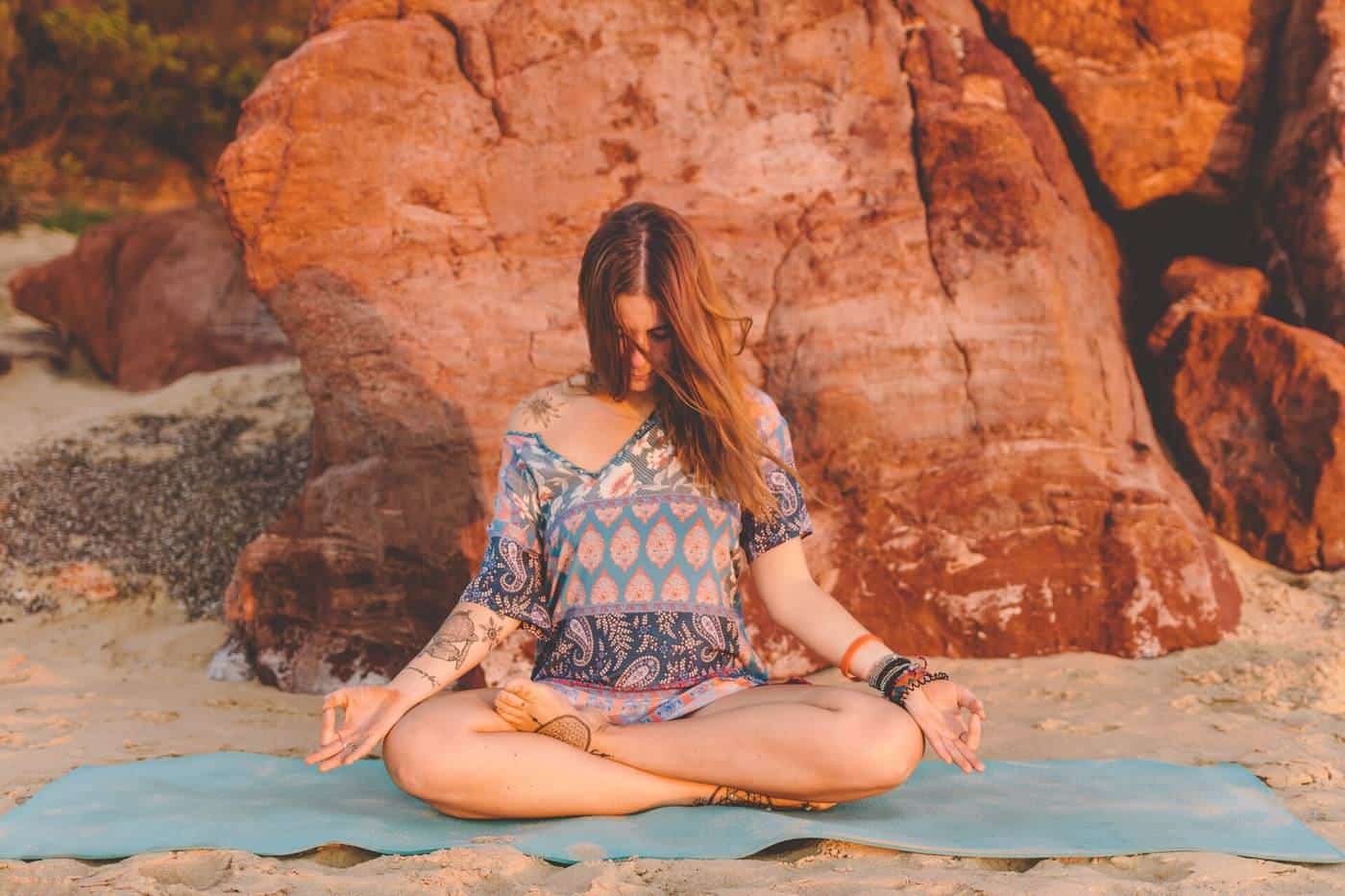
Stress is a normal response to challenges, but when it builds up it can leave you tense, tired and overwhelmed. Healthdirect recommends a range of relaxation techniques, including slow breathing, progressive muscle relaxation, mindfulness, meditation, yoga and exercise, and suggests finding the ones that work for you.
Our stress and calm section explains what stress is and guides you through breathing exercises, progressive muscle relaxation and mindfulness and meditation, step by step.
Rest and sleep well
Sleep affects almost everything: mood, energy, concentration and health. Most adults need about 7 to 9 hours a night, yet many of us get less. Small changes to routines and surroundings can make good sleep more likely.
Our rest and sleep section covers sleep basics, better sleep habits, winding down before bed and naps and daytime rest.
Slow down
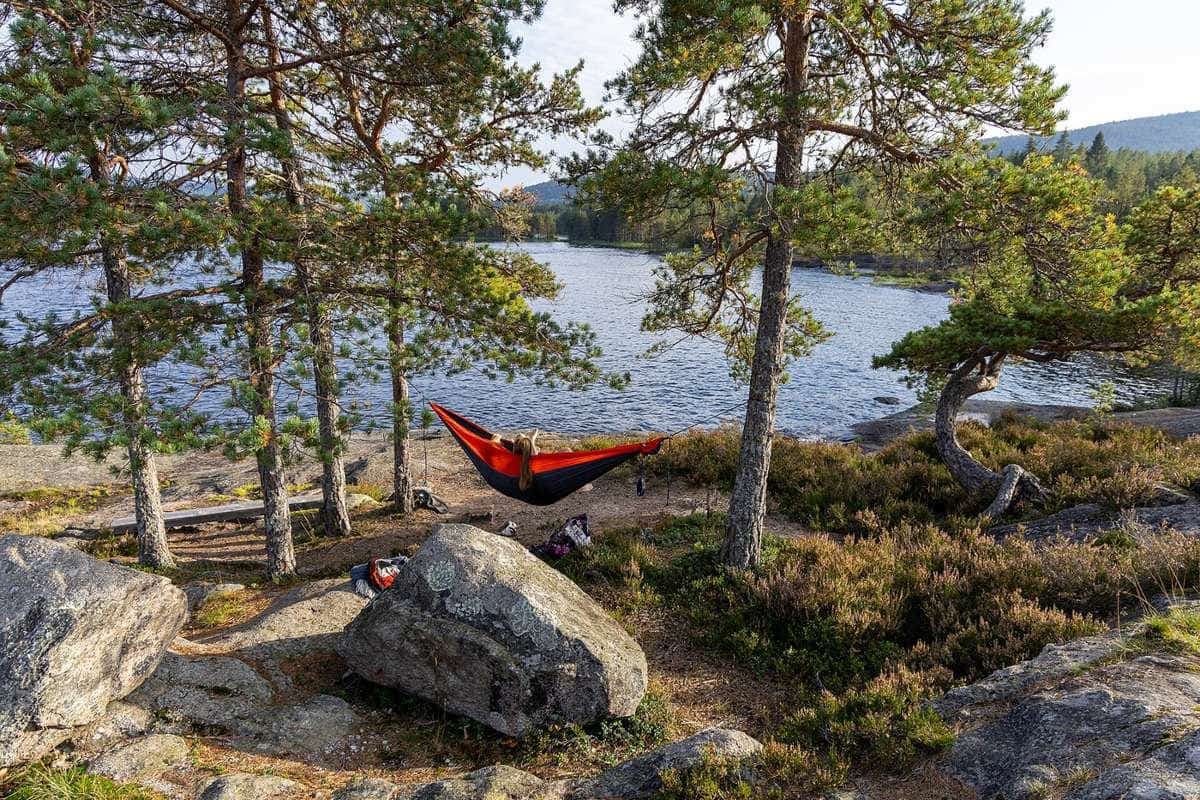
Relaxation isn't only about techniques. It's also about how we spend our days: time outdoors, moving our bodies, stepping away from screens and creating spaces that help us unwind. Australia's 24-hour movement guidelines encourage adults to be active most days, limit sitting and get enough sleep.
Our slow living section offers ideas for relaxing outdoors, gentle movement, digital downtime and creating calm at home.
Try the breathing pacer
Slow breathing is one of the simplest relaxation techniques, and you can do it anywhere. Our free breathing pacer helps you follow a gentle rhythm: set how many seconds to breathe in, hold and breathe out, choose how many minutes, and follow the circle as it grows and shrinks. Healthdirect notes it may help to make your out-breath longer than your in-breath. Choose a pace that feels comfortable, and stop if you feel light-headed.
A few principles
Across all our guides, a few principles come up again and again:
- Small and regular beats big and occasional. A few minutes of relaxation every day often helps more than a long session once a month.
- Experiment. Different techniques suit different people. Try several and keep what works.
- Be patient. Relaxation is a skill. It gets easier and more effective with practice.
- Look after the basics. Sleep, movement, connection and time outdoors all support your ability to relax.
- Ask for help. If stress, anxiety or poor sleep is affecting your life, talk to your doctor. You don't have to manage alone.
Who these guides are for
Our guides are for anyone who wants to feel calmer and rest better: busy workers and parents, students facing exams, shift workers, carers, retirees and anyone going through a stressful time. They're written for adults in Australia and are not a substitute for professional care. If you're supporting a child or teenager, or managing a health condition, talk to a health professional about what's right.
How we write our guides
Every guide is written from scratch for this site. We base health statements on Australian government and health organisation sources, such as healthdirect, the Department of Health, Disability and Ageing, the Sleep Health Foundation, Beyond Blue and state health departments, and we list sources on every page. We don't make exaggerated claims, sell treatments or invent statistics. Read our editorial policy.
If you need support now
If you're feeling overwhelmed, please reach out. Talk to your doctor, or call Medicare Mental Health on 1800 595 212 (weekdays) to find free support. If you're in crisis or thinking about harming yourself, call Lifeline on 13 11 14 at any time. In an emergency, call 000.
Key points
- Slow breathing, muscle relaxation, mindfulness and exercise can all help with stress.
- Most adults need about 7 to 9 hours of sleep a night.
- Time outdoors, gentle movement and screen boundaries support everyday calm.
- Practise little and often, and find the techniques that suit you.
- Seek professional help if stress or sleep problems affect your daily life.