Home should be a place where you can let your shoulders drop. But between clutter, noise, harsh lighting and the constant presence of work and chores, it doesn't always feel that way. The good news is that small, often free changes can make a real difference to how calm your home feels.
This guide offers practical ideas for creating a more relaxing home, whether you live in a large house, a small apartment or a shared rental. Pick a few that appeal to you and start there.
One surface
Start small
Clear one space first
Dark & quiet
Bedroom
healthdirect sleep advice
Free
Many changes
No shopping needed
Start with clutter
Visual clutter can make a space feel busy and stressful, and it can be a constant reminder of unfinished tasks. You don't need to declutter your whole home at once.
- Start small. Clear one surface, such as the kitchen bench, coffee table or bedside table.
- Give things a home. Items without a place tend to pile up. Baskets, boxes and hooks can help.
- Do a nightly reset. Spend five or ten minutes each evening returning things to their places.
- Let go. Donate, sell or recycle items you no longer use or love.
- Be realistic. A lived-in home is fine; the aim is calm, not perfection.
Work with light
Light affects mood and energy.
- Daylight: open curtains and blinds during the day. Natural light, especially in the morning, also helps your body clock.
- Evening light: switch from bright overhead lights to lamps with warm bulbs in the evening. Dimmer, warmer light can help you wind down.
- Bedroom darkness: healthdirect's insomnia advice recommends a dark bedroom. Blockout curtains or an eye mask can help.
Manage noise
Noise can make it hard to relax and sleep.
- Use rugs, curtains and soft furnishings to absorb sound.
- Try earplugs or a fan for steady background sound at night.
- Play calm music or nature sounds at low volume.
- Agree on quiet times with housemates or family.
- Healthdirect recommends keeping your bedroom quiet for sleep.
Comfort and temperature
- Keep your home at a comfortable temperature. Healthdirect's insomnia advice suggests a bedroom that's not too hot or too cold.
- Have soft blankets and cushions within reach.
- Make sure seating is comfortable and supportive.
- Open windows for fresh air when weather allows.
Bring nature in
- Plants: indoor plants can make a space feel more alive. Choose easy-care varieties suited to your light levels.
- Views: arrange seating to look out of a window if you can.
- Natural materials: wood, cotton, wool, linen and stone can feel warm and grounding.
- Flowers: a small vase of flowers or foliage from the garden.
Create a calm corner
A calm corner is a small space dedicated to relaxing. It might include:
- a comfortable chair or floor cushion;
- a lamp with warm light;
- a soft blanket;
- a book or journal;
- a plant;
- headphones for music or guided relaxation.
Use it for reading, slow breathing, meditation or simply sitting quietly. Over time, sitting there can become a cue to relax.
Separate work and rest
If you work from home, try to keep work out of relaxing spaces where possible.
- Work at a desk or table rather than on the couch or bed.
- Pack work equipment away at the end of the day, or cover it.
- Create a "commute" ritual, such as a short walk, to mark the transition.
- Keep your bedroom free of work.
A restful bedroom
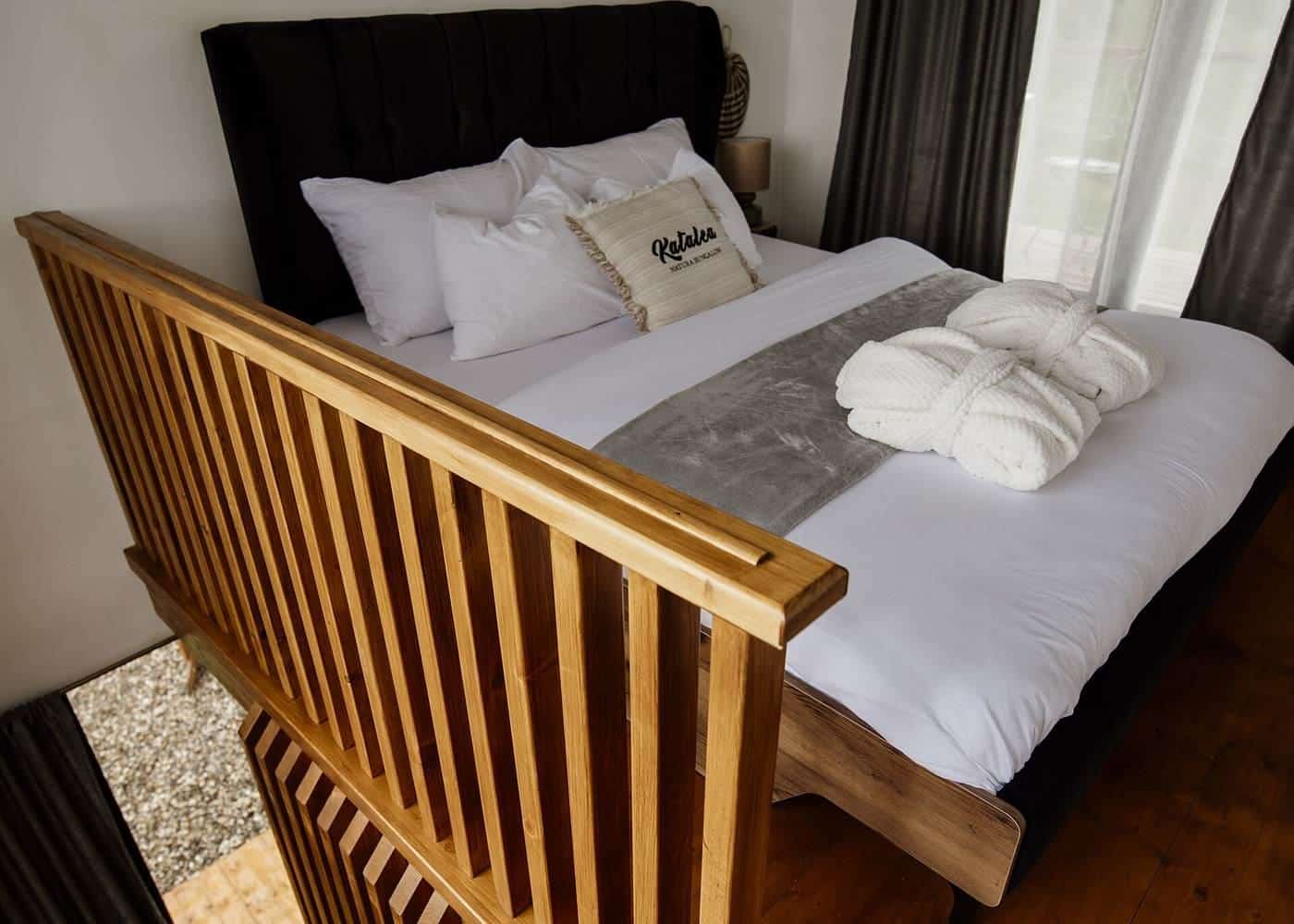
Your bedroom deserves special attention. Healthdirect's sleep and insomnia guidance suggests:
- keeping it quiet, dark and comfortable, not too hot or too cold;
- removing clocks so you don't keep checking the time;
- avoiding screens in the bedroom.
Clear clutter, choose calming colours and use your bed mainly for sleep. See our better sleep habits guide.
Rituals that help you unwind
Small, repeated rituals can turn ordinary moments into calming ones:
- a slow cup of tea or coffee in the morning, without your phone;
- lighting a candle (safely) or turning on a lamp at dusk;
- a warm shower or bath at the end of the day;
- cooking a meal slowly, with music on;
- watering plants;
- a nightly tidy-up and to-do list for tomorrow;
- reading before bed.
Hobbies that absorb you
Many people find that absorbing activities help them switch off from worries. Options include cooking and baking, knitting, sewing and crafts, drawing and painting, playing an instrument, puzzles, gardening and building or fixing things. Choose something you enjoy for its own sake, not as another task to master.
Sharing a home
If you live with others, calm can mean compromise. Talk about what helps each person relax. Agree on shared spaces, quiet times and tidying routines. Give each person some space of their own, even if it's just a corner or a shelf.
Small budget, big difference
Many of these ideas cost nothing. Rearranging furniture, decluttering, opening windows, changing light habits and creating rituals are all free. If you do want to spend, prioritise things you use every day, such as good lighting, comfortable bedding or a supportive chair.
A calm entrance
The first thing you see when you come home can set the tone. A cluttered hallway with shoes, bags and mail can make arriving feel chaotic. Give these items a simple home: a hook for keys and bags, a tray for mail, a rack or basket for shoes. A small lamp, a plant or a picture you love near the door can make coming home feel welcoming. Some people like a short arrival ritual, such as changing into comfortable clothes, washing their hands and face or making a cup of tea, to mark the shift from the outside world to rest.
Scent and the senses
Many people find certain scents relaxing, such as fresh air, cut flowers, herbs from the garden or the smell of bread baking. If you use candles, oil burners or diffusers, follow safety instructions, never leave flames unattended and keep them away from children and pets. Some people are sensitive to fragrances, so be considerate in shared spaces. Textures matter too: soft throws, smooth timber and cool cotton sheets can all add to a sense of comfort.
Calm in small spaces
In a studio, shared house or small apartment, every corner has to work hard. Use multipurpose furniture, vertical storage and room dividers, such as a bookshelf or curtain, to separate sleeping, working and relaxing zones. Keep surfaces as clear as you can, choose a few items you really love rather than many, and make the most of natural light. Even a single comfortable chair by a window can become a calm retreat.
Seasonal resets
At the change of each season, take an hour to refresh your home: put away out-of-season clothes and bedding, clear a cupboard or two, rearrange a room to catch the light, and swap in a few seasonal touches like flowers, fresh linen or a warmer throw. These small resets keep clutter under control and help your home feel fresh and restful throughout the year.
Key points
- Clear clutter gradually, starting with one surface and a nightly reset.
- Use daylight in the day and warm, dim light in the evening.
- Reduce noise, keep comfortable and bring nature in.
- Create a calm corner and keep work out of rest spaces.
- Build small rituals and absorbing hobbies into your routine.
Frequently asked questions
Do I need to spend money to make my home calmer?
No. Many of the most effective changes are free, such as decluttering a surface, opening a window, moving furniture or changing how you use lighting.
Where should I start?
Start with the space where you spend the most time or find hardest to relax in, and make one small change.
How can I make my bedroom more restful?
Healthdirect's sleep advice suggests a bedroom that's quiet, dark, comfortable and not too hot or cold, with screens kept out.
What is a calm corner?
A small space set aside for relaxing, such as a comfortable chair with a lamp, a blanket and a book, where you go to unwind.
Can hobbies help me relax?
Many people find absorbing hobbies, such as cooking, crafts, music or gardening, help them switch off from everyday worries.
Sources and further reading
Facts on this page were checked against these primary and official sources. Conditions change — confirm before you travel or buy.
- Insomnia — healthdirect
- Stress — healthdirect
- Relaxation techniques for stress relief — healthdirect